Research Foundation
Academic research informing metacognition, flow and performance.
Real time information processing, adaptive decision making, and commercial performance in sports trading.
This case study explores how I combined research informed player analysis, behavioral pattern recognition and situational awareness to make informed decisions throughout the 2026 Grand Slam season. It examines how interpreting player responses to pressure, identifying emerging patterns and adapting to changing circumstances contributed to measurable performance outcomes while highlighting analytical skills transferable to sports performance, research and business intelligence.
Academic research informing metacognition, flow and performance.
Applying and refining theories in a real world, high pressure environment.
Strong commercial performance across all four Grand Slams in 2026.
Consistently strong performance across all four 2026 Grand Slams with measurable outcomes demonstrating substantial outperformance of company benchmarks and strong results relative to team members.

PRE-MATCH + LIVE
Highest team margin · 100+ events

PRE-MATCH + LIVE
Nearly 4x company margin · 100+ events

LIVE TRADING
21.6% of event profit · 100+ events

LIVE TRADING
Outperformed company margin by 13.96 percentage points
A structured approach to analyzing player behavior, recognizing emerging patterns and interpreting pressure situations to continually refine expectations and make informed decisions in real time.

Monitor player behavior, match dynamics and real time performance information.

Consider multiple interpretations and probabilities.

Update expectations as new information becomes available.

Adapt decisions and manage uncertainty as situations evolve.

A continuous process throughout the match.
Three examples illustrating how behavioral observations, historical knowledge and changing match conditions informed real time decisions.
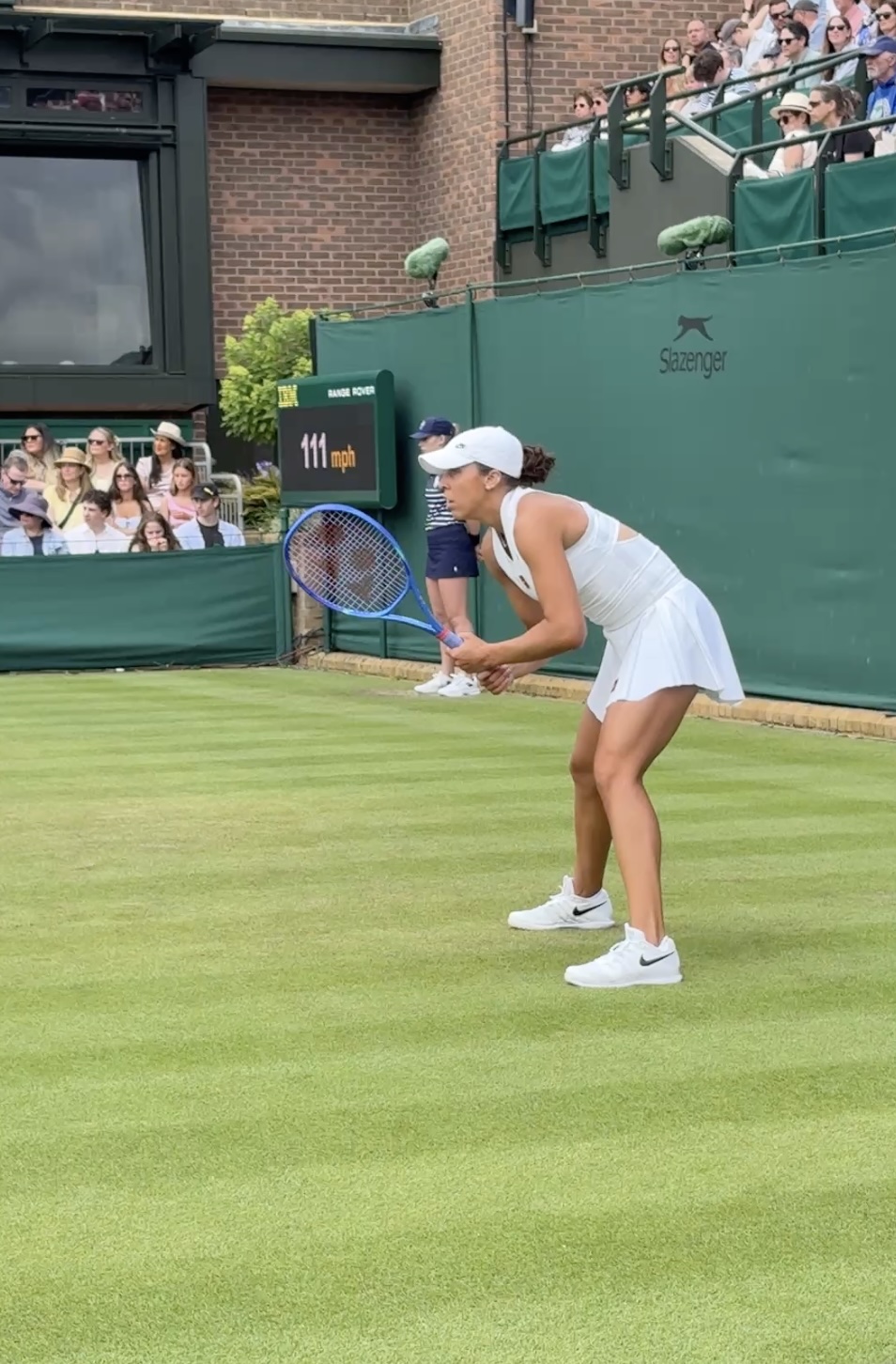
A significant loss of momentum did not necessarily mean a loss of competitive intent.
In position to close out the tournament.
A severe reversal of momentum.
The championship remains undecided.
She covered her ears to shut out the crowd and limit distractions.
She took a bathroom break before the deciding set.
Despite losing five consecutive games, the player appeared to be taking deliberate steps to regain focus. I interpreted these behaviors as potential indicators of continued competitive engagement rather than assuming that the recent scoreline meant her performance would continue to decline.
I maintained the possibility of a competitive third set in my assessment instead of assuming that the negative momentum would continue.
The ability to interpret behavioral signals in context, challenge assumptions based on recent performance and recognize when alternative explanations deserve consideration.
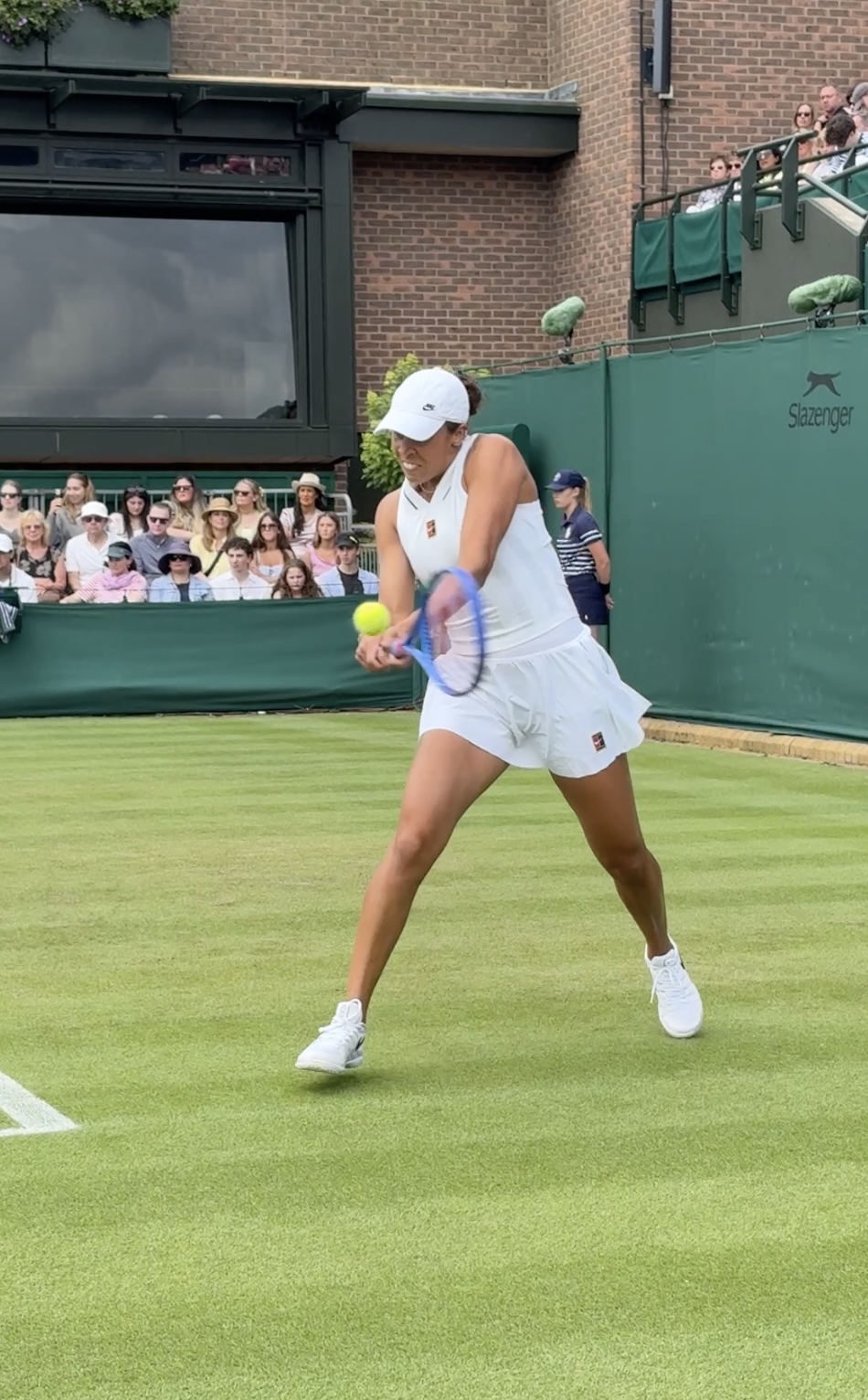
Using accumulated player knowledge to inform expectations without treating historical patterns as certainties.
Through repeated observation of certain players across multiple matches, I recognized a recurring tendency: dominant first sets followed by a second set downturn with the potential for recovery in a deciding third set.
Strong serving, frequent aces and control.
Fewer aces, more double faults and a lost set.
Serving improves and competitiveness returns.
An observed recurring tendency, not a guaranteed sequence in every match.
A dominant first set can suggest a straightforward victory, but that impression may be misleading for a player with this established pattern. I use their previous performances to inform my expectations, while continually checking whether the current match supports or contradicts that pattern.
I avoid assuming that early dominance would lead to a straightforward victory. When a familiar second set downturn emerges, I consider the player's historical tendency to recover rather than allowing the immediate change in momentum to disproportionately influence my assessment of the likely outcome.
The ability to apply accumulated player knowledge, recognize recurring performance patterns, challenge immediate assumptions and continually refine assessments as new evidence emerges.
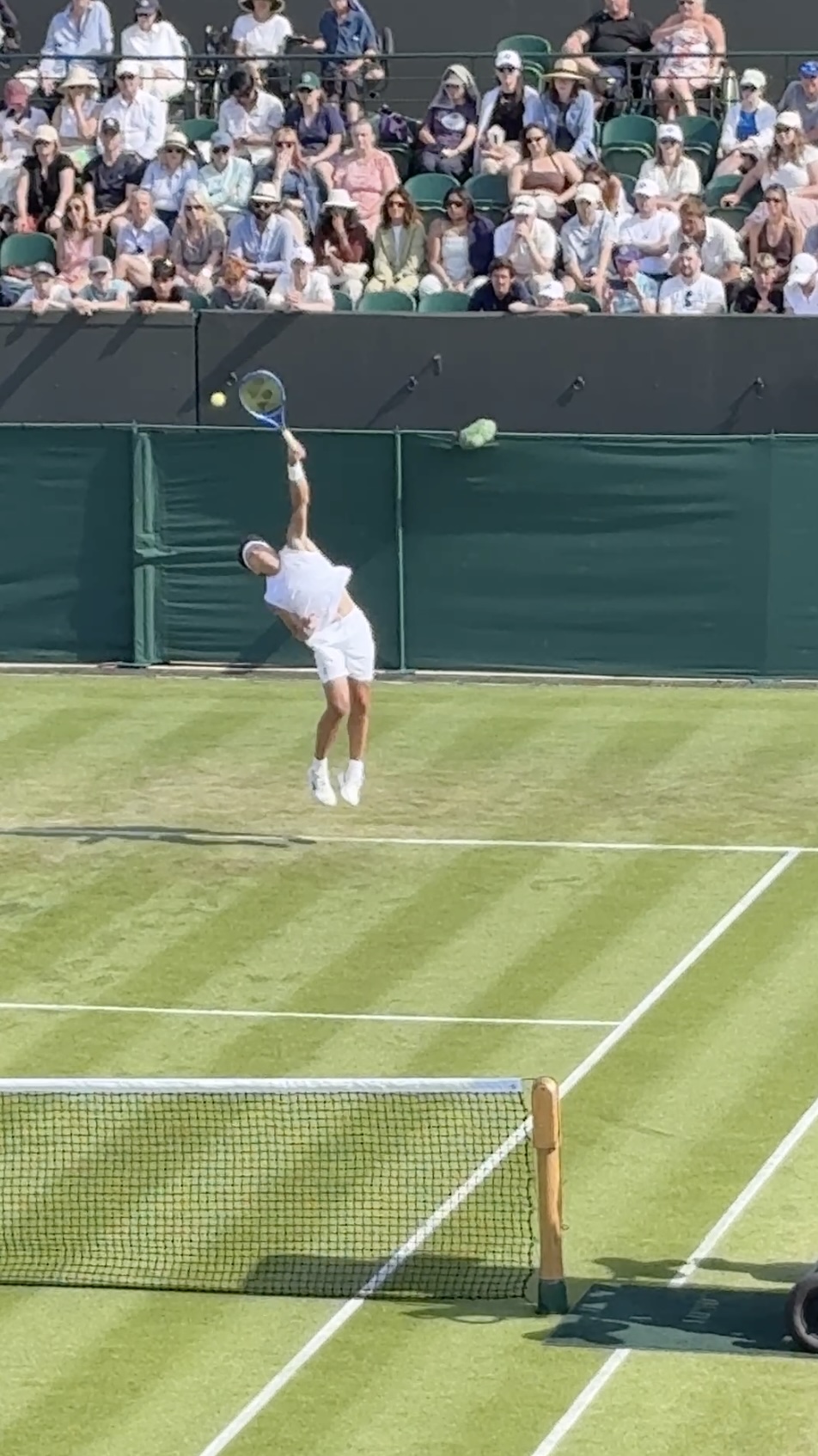
Interpreting player-specific responses to pressure and combining behavioral observations with performance indicators to reassess probabilities and inform decision as a match develops.
Through repeated observation, I recognized that a particular player could respond to pressure in different ways. When trailing, she sometimes became more focused and aggressive with her serve, actively pursuing aces to regain control. In other situations, her serving performance deteriorated, accompanied by growing frustration and negative behavioral signals.
These contrasting responses demonstrated why I could not rely on the scoreline alone. Instead, I needed to assess her serving performance and behavior as the match developed to determine whether she remained capable of mounting a comeback.
Consider the player falling a break behind. Rather than assuming the deficit determines what happens next, I assess her response, drawing on my knowledge of how she has handled similar situations.
Serving patterns and behavior reveal how she is responding.
Remains focused, increasingly attacks with her serve and actively pursues aces to regain control.
Account for stronger serving and comeback potential when assessing the match.
Aces stop materialising, frustration grows and negative interactions with her coach may emerge.
Reassess comeback probabilities, consider the likelihood of a quicker finish and adjust expectations increasingly towards the opponent.
Previously observed responses from the same player, assessed against live evidence.
The scoreline alone does not explain how this player responds to pressure. When motivated to recover, she relies heavily on her serve, actively pursuing aces to regain control. When aces stop materializing alongside growing frustration, it can signal that her performance is deteriorating.
By combining these serving patterns with behavioral observations, I can reassess her comeback probabilities and refine my expectations as the match develops.
When the player demonstrates continued focus and aggressive serving, I account for her potential to recover despite the scoreline. Conversely, when serving performance deteriorates alongside increasing frustration, I reassess the likelihood of a comeback and consider whether the match is more likely to conclude quickly. In both situations, I adapt my assessment and decisions to reflect the available evidence, accounting for uncertainty and the potential consequences of changing match conditions.
The ability to combine accumulated player knowledge with real time behavioral observations and performance indicators, recognize contrasting responses to pressure and adapt probability assessments and decisions as new evidence emerges.
Several consistent themes emerged from the analysis, with direct relevance to real time decision making and transferable analytical skills.

The same behavior can indicate different things depending on the situation.

Historical tendencies help challenge immediate assumptions and inform assessments of current performance.

Body language, routines and coach interactions offer valuable information.

Expectations should be continuously updated as new information emerges.
The skills demonstrated in this case study are transferable to sports performance analysis, research, business intelligence, and commercial analytics.

Interpreting evolving information and reassessing expectations.

Combining performance indicators and behavioral evidence to inform decisions.

Applying accumulated player knowledge and observed patterns.

Responding to uncertainty in a fast-moving environment.

Translating analytical observations and reasoning into clear, actionable insights.